
Understanding Unapproved Buildings and Municipal Compliance Insights
Why Municipal Compliance Matters for Property Owners
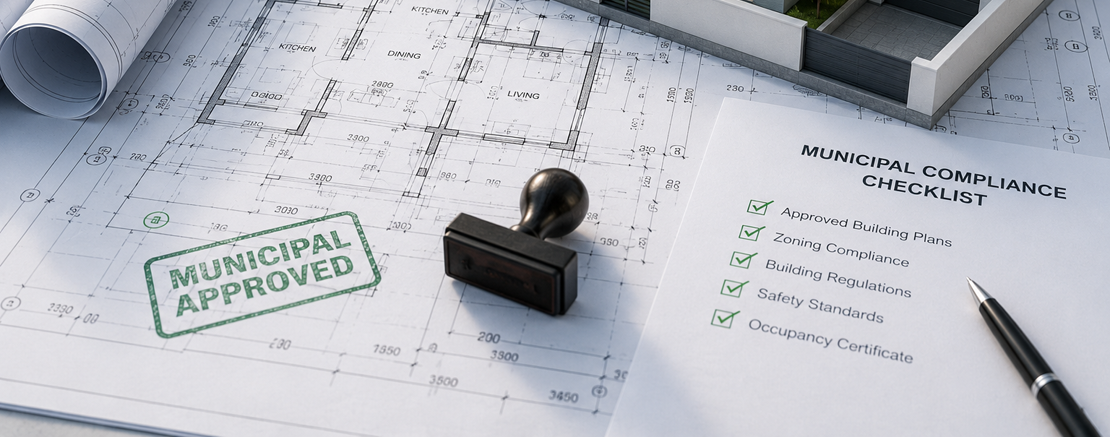
Many property owners are surprised to discover that previous alterations, additions, garages, boundary walls, or outbuildings on their property were never properly approved by the local municipality. While these structures may have existed for years, unapproved buildings can create significant challenges when selling a property, applying for finance, obtaining occupancy certificates, or undertaking future building work.
Municipal compliance is more than a legal requirement—it helps ensure that structures are safe, accurately documented, and constructed in accordance with applicable regulations.
What Is an Unapproved Building?
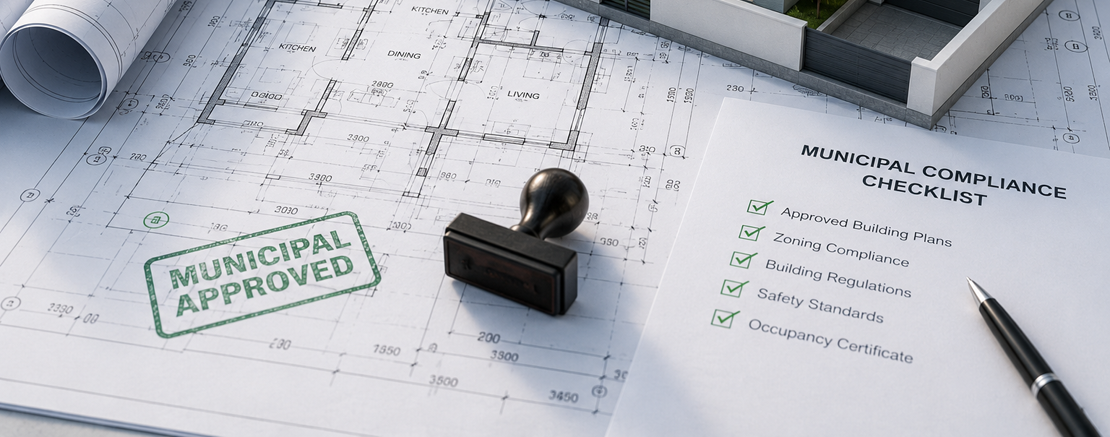
An unapproved building is any structure, alteration, or addition that was constructed without obtaining the necessary municipal approval before construction commenced.
Common examples include:
- Home extensions
- Entertainment areas
- Carports and garages
- Boundary walls
- Additional rooms
- Outbuildings and flatlets
In many cases, property owners may not even be aware that certain structures were never approved, particularly when purchasing an existing property.
"Addressing compliance issues early can prevent costly delays and complications in future property transactions."
Why Compliance Becomes Important
Municipal compliance often becomes a concern when:
- Selling a property
- Applying for a bond
- Subdividing land
- Renovating or extending a building
- Obtaining compliance certificates
- Resolving municipal notices

The Regularisation Process
The process of legalising an unapproved structure typically involves:
- Assessing the existing building
- Conducting a building survey
- Preparing compliant drawings
- Submitting plans to the municipality
- Addressing municipal requirements
- Obtaining approval where possible
Every property is unique, and the specific requirements will vary depending on the location, building type, and extent of the non-compliance.
Conclusion
Municipal compliance plays an important role in protecting both property owners and future buyers. By identifying and resolving compliance issues early, property owners can avoid unnecessary complications and ensure their buildings are properly documented and approved.

You May Also Like

An in-depth look at the latest regulatory changes affecting the biotechnology industry and how Praxis Legal is helping clients adapt and thrive.

A discussion on the emerging trends and legal challenges in cybersecurity, featuring insights from Praxis Legal's cybersecurity experts.


